Weapons collectionimages/vaabensamling.jpg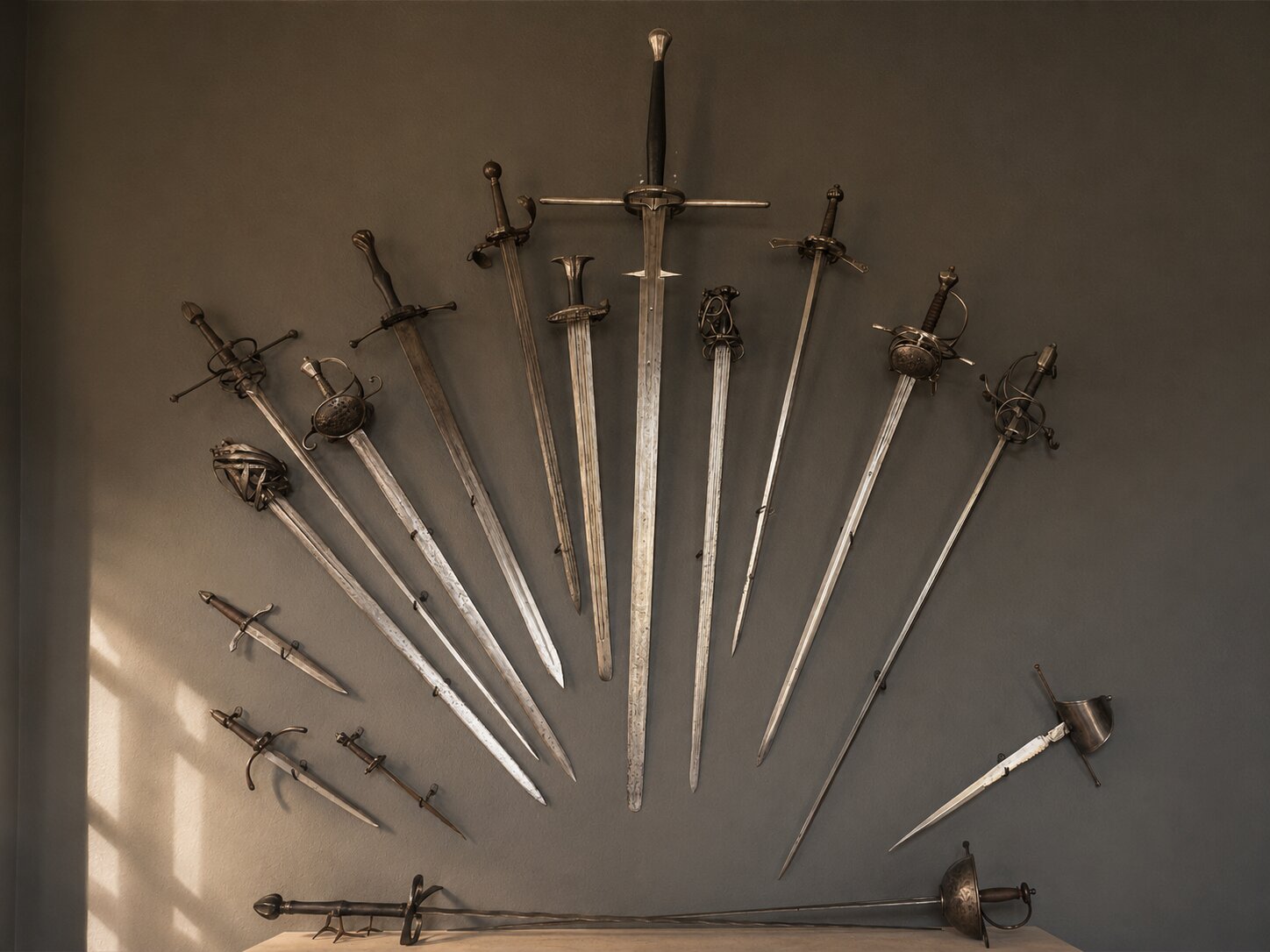
The Møllenborg Weapons Collection
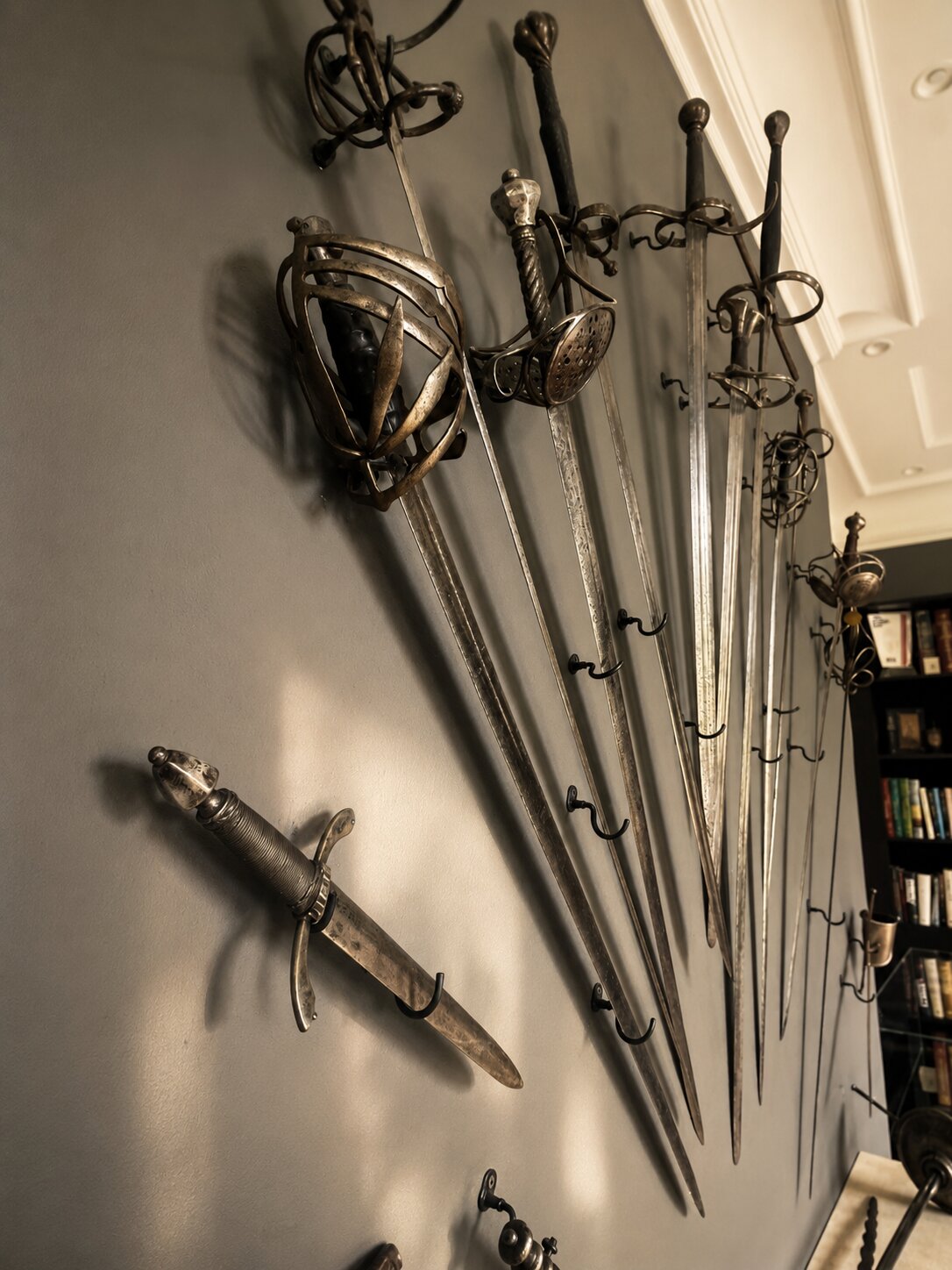
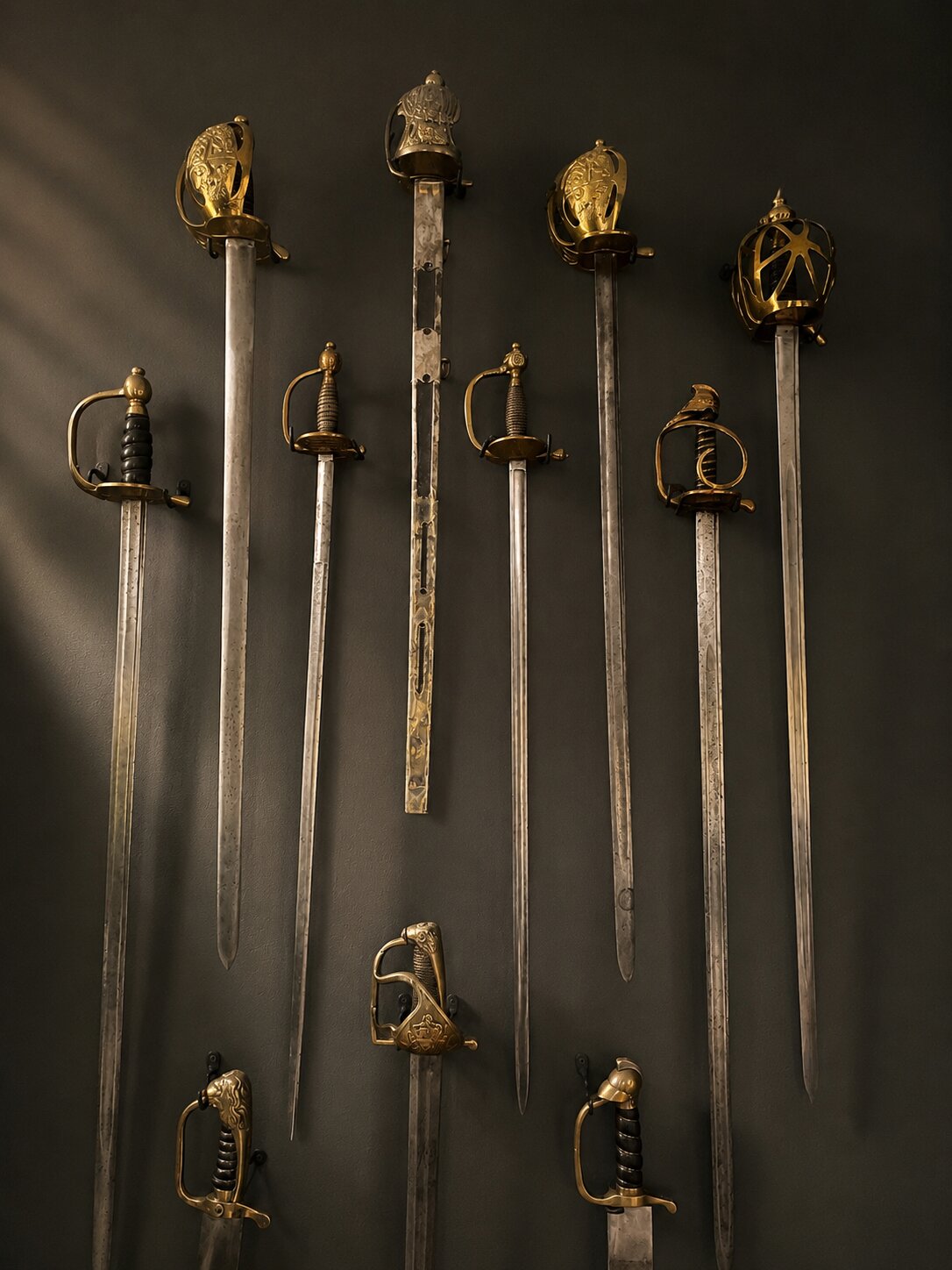
European weapons from the sixteenth and seventeenth centuries and Danish brass-mounted weapons from the eighteenth and nineteenth centuries.
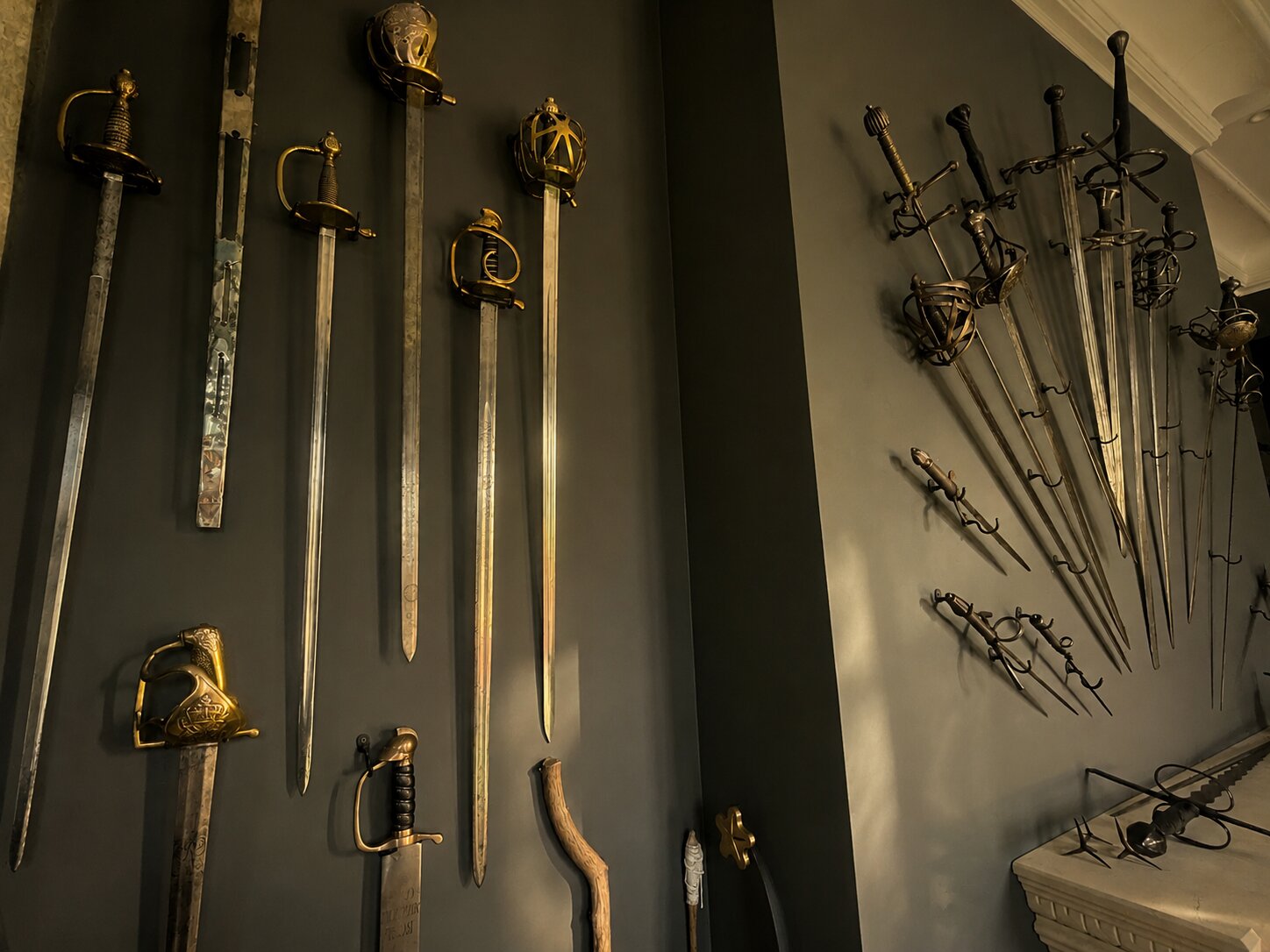
Møllenborg is a private home in which historical objects, weapons, armour, bronze, brass and craftsmanship form part of the rooms of the house. The collections are private, but they are arranged around cultural-historical contexts.
The objects have been collected because they illuminate craftsmanship, materials, status and history. They form part of the rooms as tangible historical things, not as loose decoration. Weapons, armour, fittings, handles, bronze and brass show different aspects of European design culture, military history and Danish weapons tradition.
European weapons from the sixteenth and seventeenth centuries and Danish brass-mounted weapons from the eighteenth and nineteenth centuries.
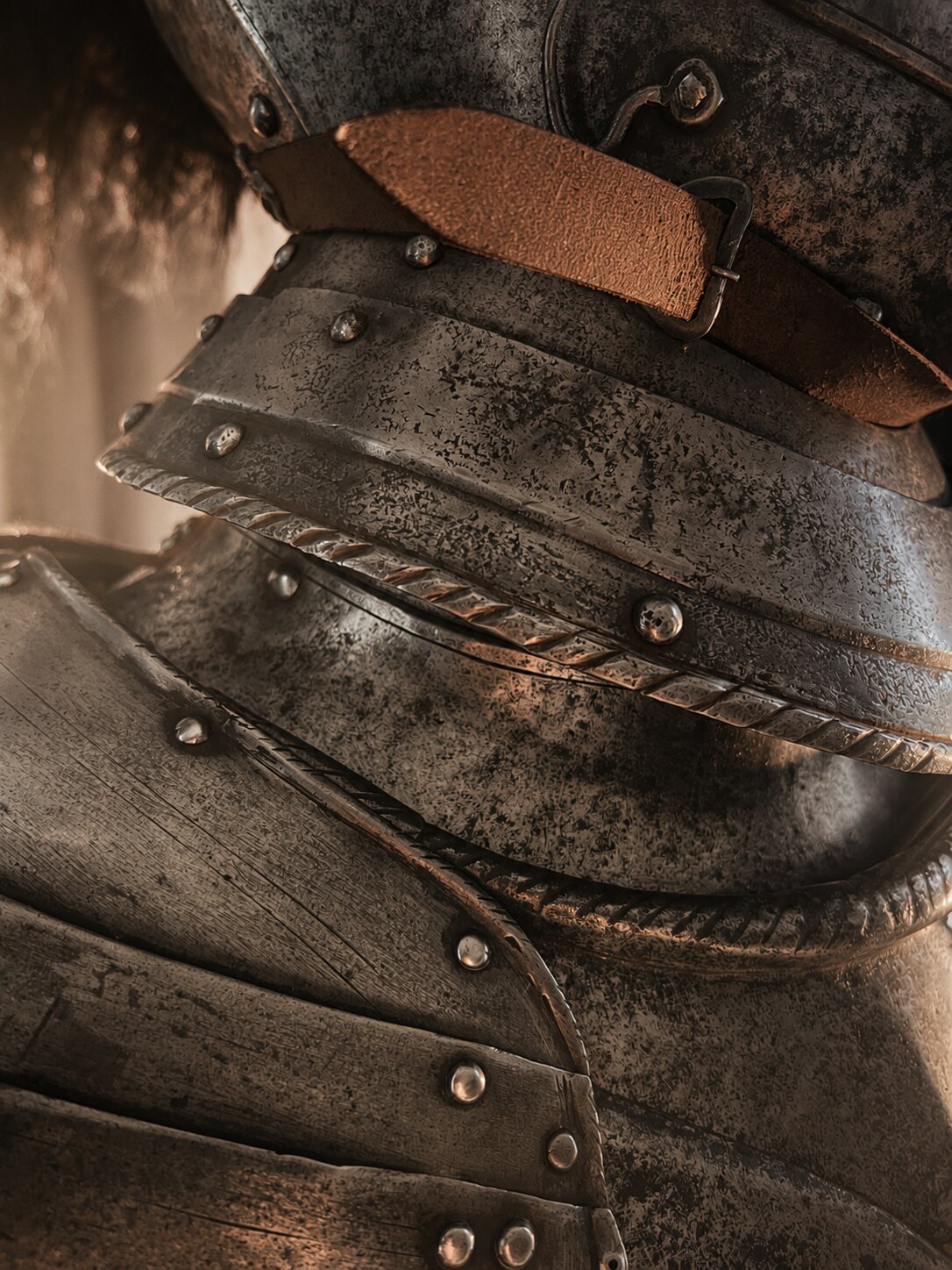
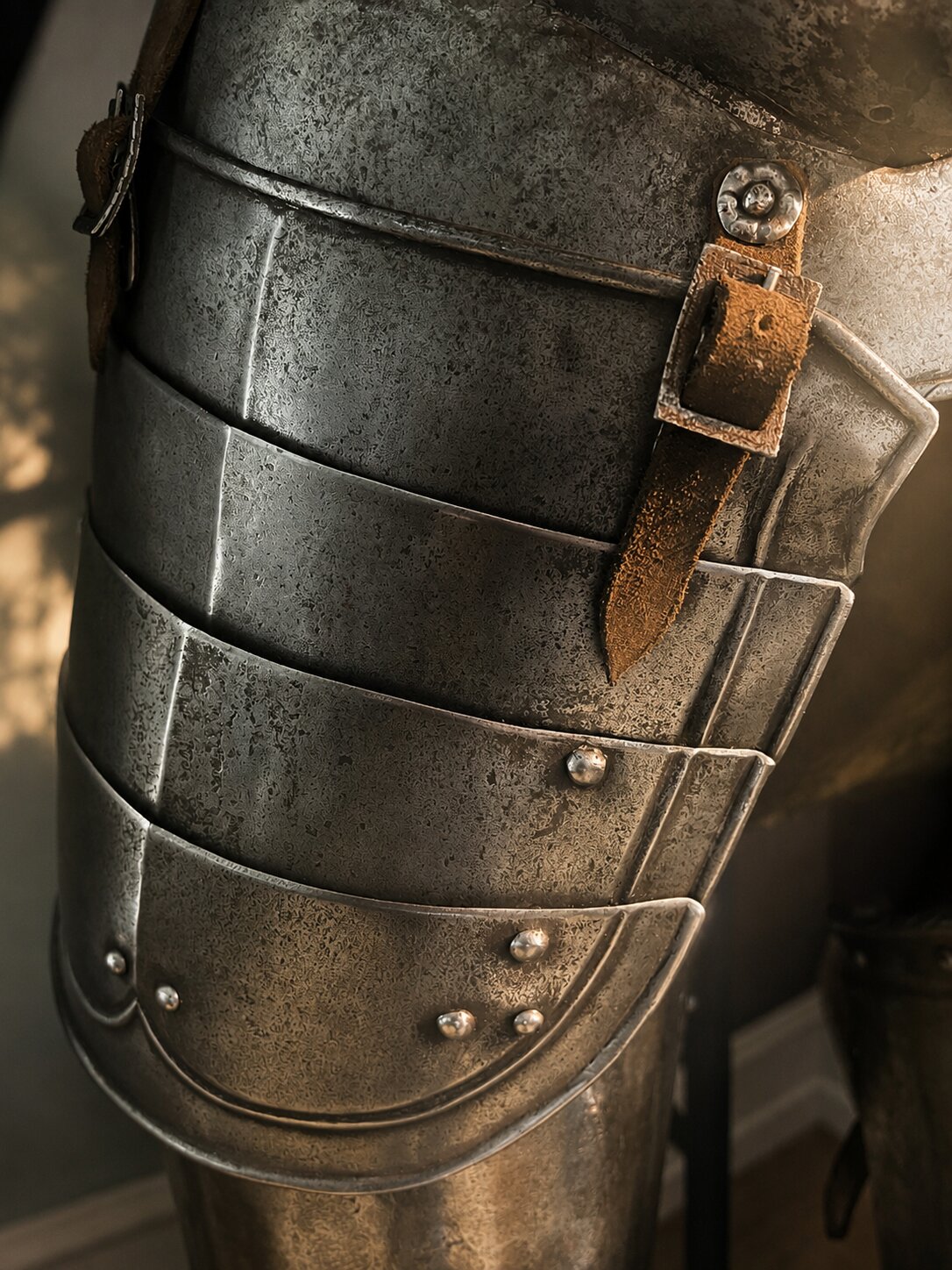
Armour and edged weapons as function, status and craftsmanship.
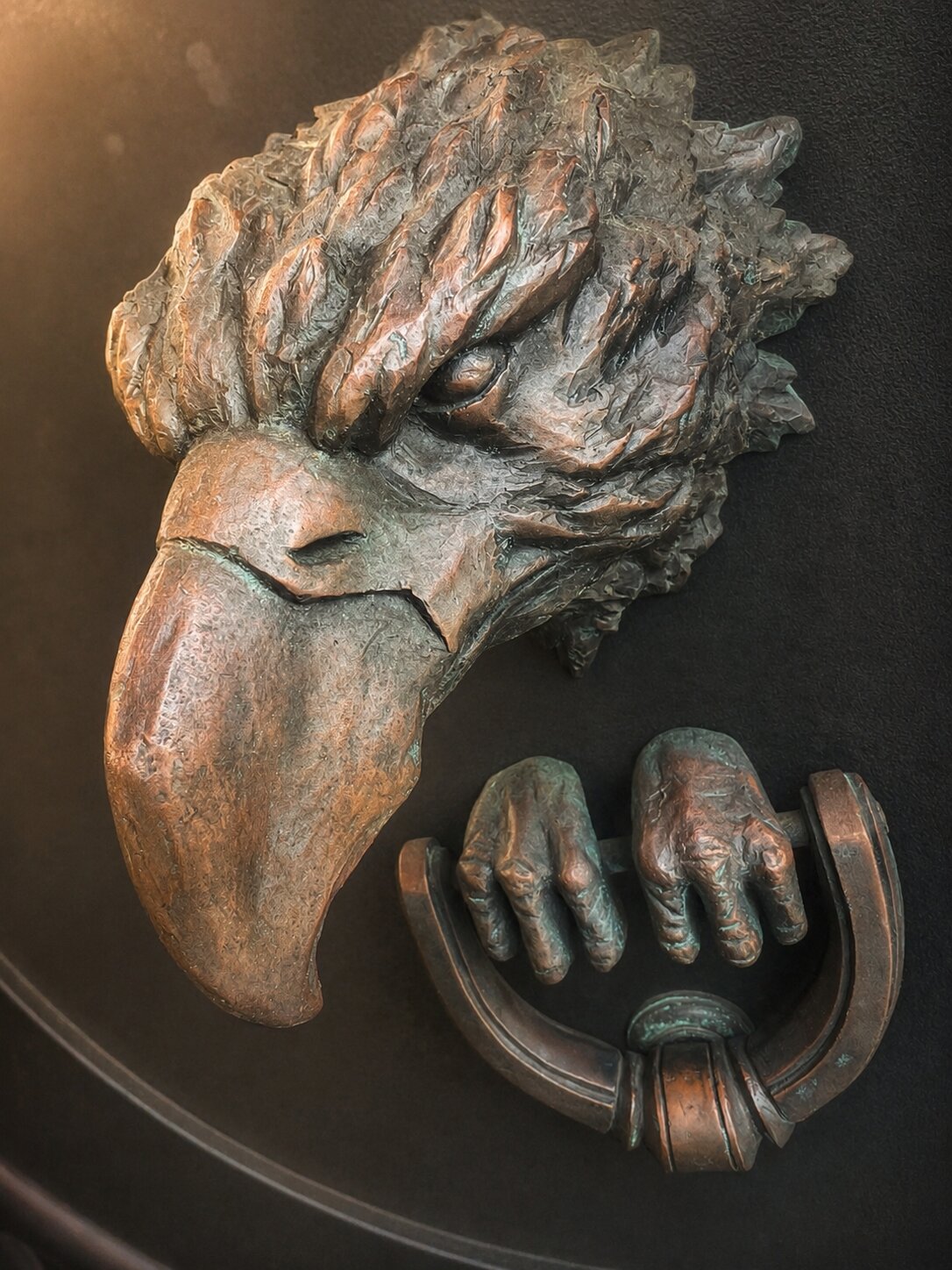
Handles, eagles, fittings and bronze work connected to the details of the house.
The Møllenborg Weapons Collection is built around objects where weapons, craftsmanship and status meet. The collection consists primarily of European weapons from the sixteenth and seventeenth centuries, together with Danish brass-mounted weapons from the eighteenth and nineteenth centuries.
The European weapons from the Renaissance and early modern period show a time when war, aristocratic culture and craftsmanship often lay close together. A sword, a piece of armour or a finely made firearm was at once a functional tool, a status symbol and a work of craftsmanship. Materials, proportions, decoration and technical quality tell of the world in which the objects were created.
The Danish brass-mounted weapons from the eighteenth and nineteenth centuries point towards a more domestic tradition. Here military function, representation, craftsmanship and national weapons history meet. Brass fittings, grips, stocks and details show how weapons in Denmark, too, were shaped by both practical use and a wish for dignity and order.
Weapons can easily be reduced to combat and conflict, but in the collection they are also treated as objects that tell of society, technology, status and aesthetics. They show how power was carried, displayed and regulated, and how craftsmen worked with steel, wood, leather, brass and bronze.
A suit of armour tells of the body, warfare and the social role of its wearer. A sword tells of technique, rank and symbolism. A brass-mounted weapon tells of Danish craftsmanship, military tradition and the forms chosen for practical objects.
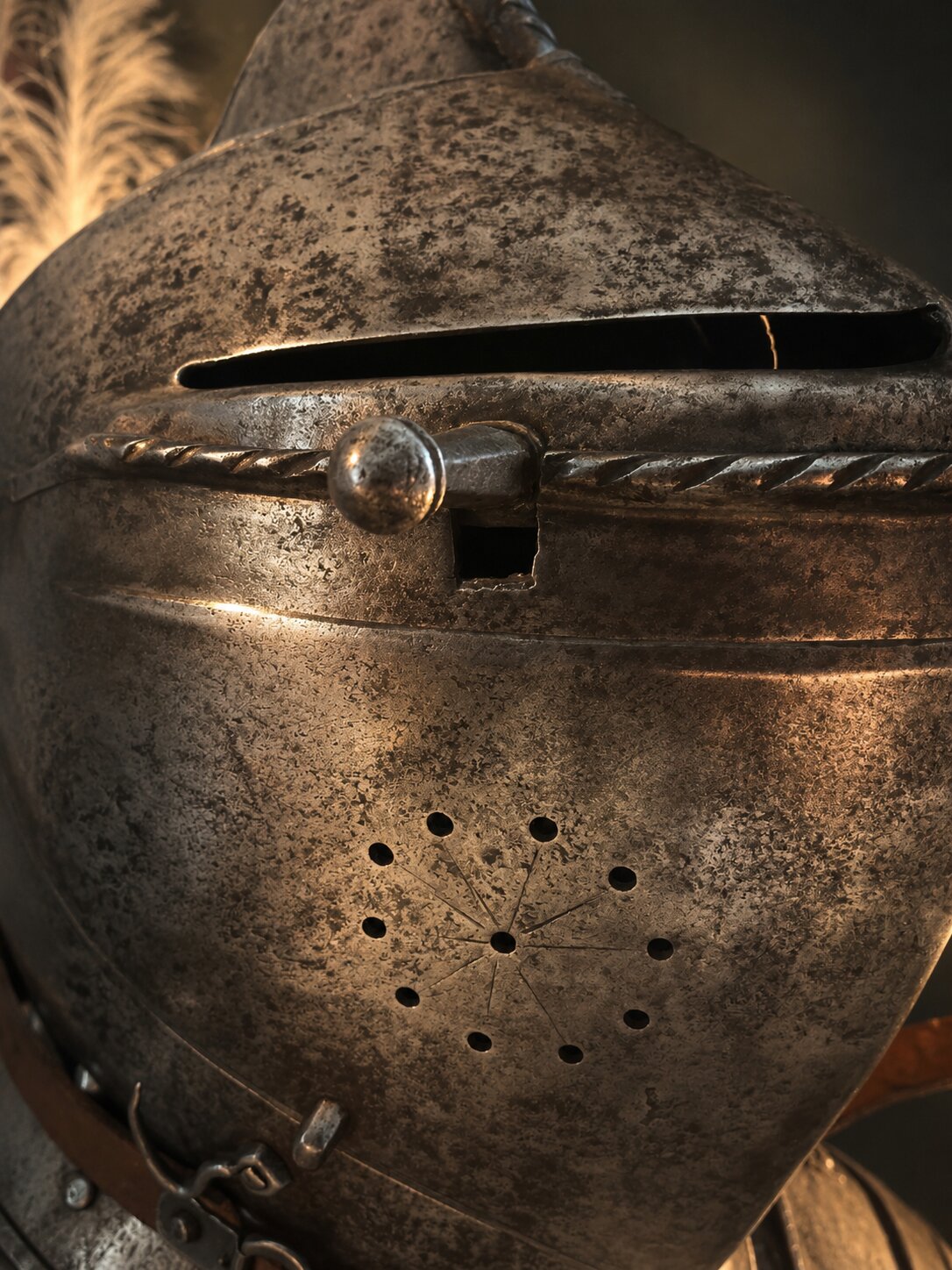
Armour and edged weapons are among the most direct historical objects in the collection. They were created for use, but often executed with a degree of care that reaches beyond the purely practical. Steel, form, balance and decoration show that weapons in the sixteenth and seventeenth centuries could be both tools and representation.
In the rooms of Møllenborg, they appear as testimony to a European culture in which nobility, war, court life and craftsmanship were connected. They do not tell one single coherent story, but show fragments of a world in which rank, function and form were closely bound together.
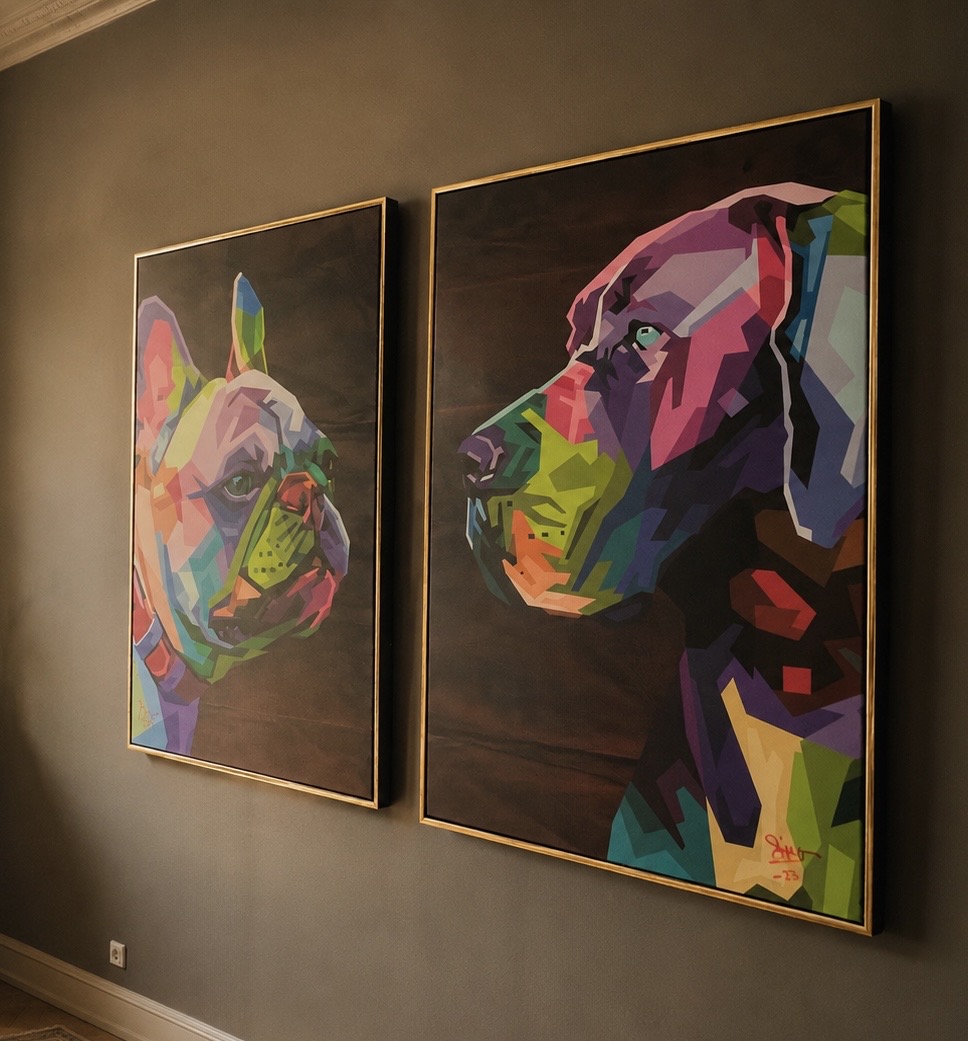
The Danish brass-mounted weapons from the eighteenth and nineteenth centuries give the collection a clear Danish grounding. They represent a period in which military weapons, hunting weapons and representative objects were often made with fittings and details in brass.
The warm colour and durability of brass made the material well suited to both functional and decorative parts. On the weapons it can be seen in grips, fittings, muzzle bands, trigger guards and other details. They show Danish craftsmanship in a field where practical use and visual order went hand in hand.
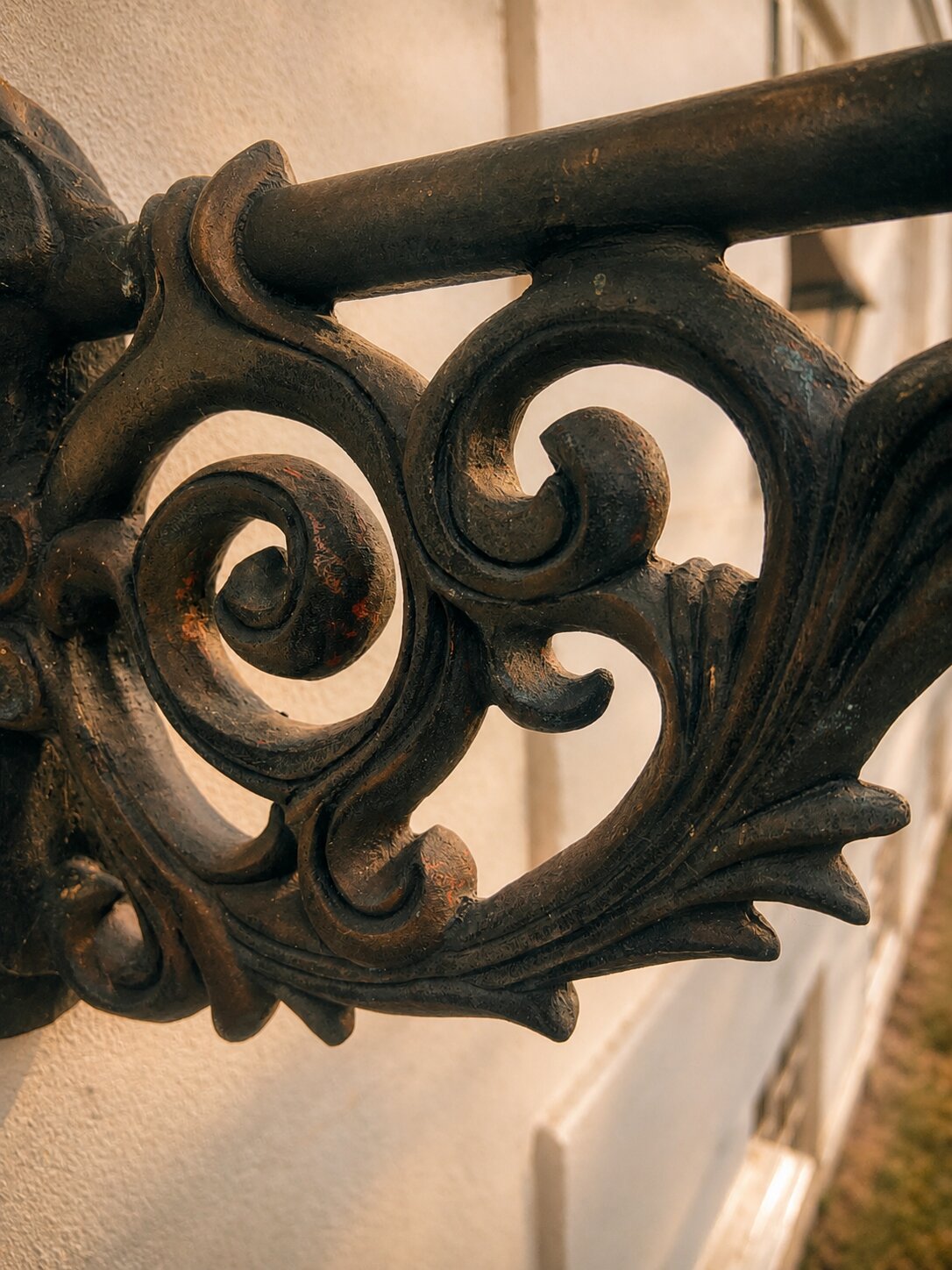
The collections are also connected with the house’s newer bronze and brass work. At Møllenborg, these materials are used not only in historical objects, but also in the house’s own details.
The interior brass handles with oak-leaf motifs, the bronze eagles and other metal elements create a connection between the historical materials of the collections and the architecture of the house. This creates coherence between the older objects and the new castle, without the house trying to be old.
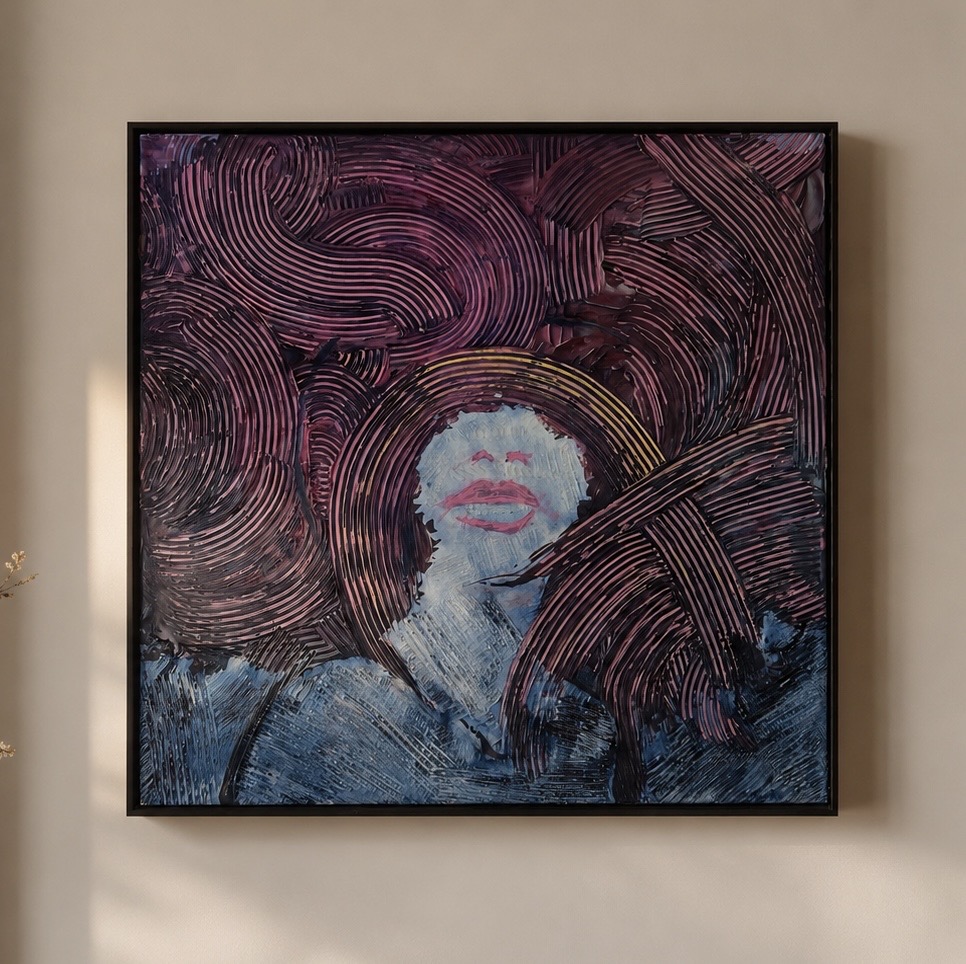
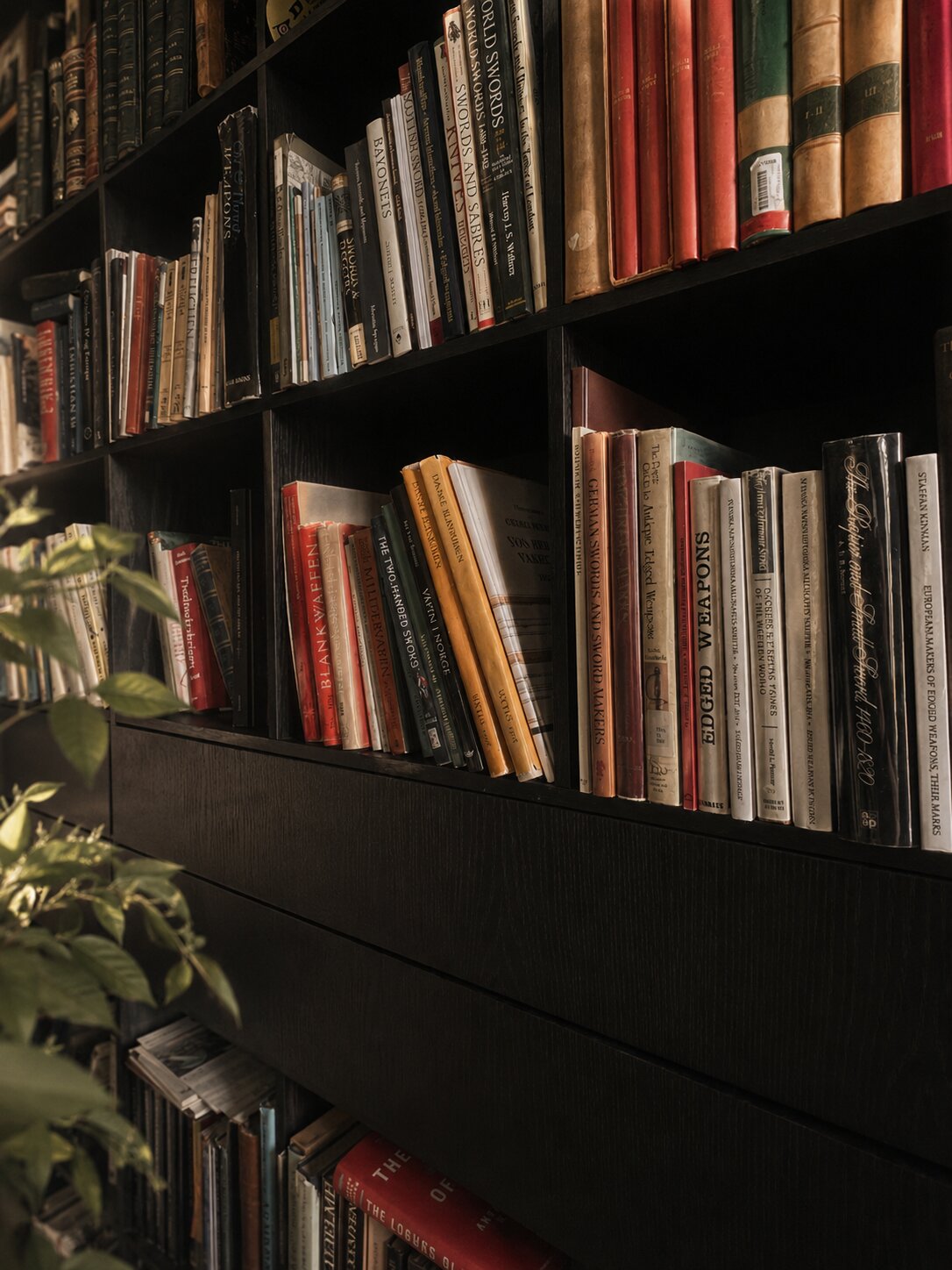
The collections are placed in private rooms where the objects can be seen in relation to furniture, materials, light and architecture. The rooms function as cabinets in the classical sense: places where objects are arranged, brought together and given meaning through their placement.
This means that the collections are not only about individual objects. They are also about the connections between things: between European weapons and Danish weapons traditions, between historical materials and modern craftsmanship, between private rooms and an interest in cultural history.
The collections at Møllenborg are not complete. Provenance, dating, workshop circumstances and historical contexts are investigated on an ongoing basis. Where the information is secure, it can be presented directly. Where it rests on tradition, previous owners or probable connections, it should be described with reservation.
This applies especially to older weapons and objects, where ownership history is often incomplete. Precisely for that reason, provenance, materials, typology and historical context are an important part of the work with the collections.
The collections are part of Møllenborg’s overall story. They connect the house with European history, Danish weapons culture, craftsmanship and the materials also used in the building’s own details.
They should not be understood as museum displays in the public sense, but as private collections in a home, where objects, architecture and landscape have been chosen so that they speak to one another.